
REVIEW · WALKING TOURS
Nassau: Cultural Walking Tour of Downtown Nassau Attractions
The best part about Nassau is how fast it turns into stories. This downtown walking tour connects Queen’s Staircase, fort views, and museum stops into one easy route, with colorful historical context from piracy and colonial rule to the Bahamas of today.
What I like most is the mix of sights and small details that make them make sense, especially the camera-worthy stops like Fort Fincastle and Government House exterior views. I also really appreciate the practical touches like audio headsets and bottled water, which keep you focused instead of fighting the noise and heat.
One consideration: you cover real ground on streets and hills, including climbing up Elizabeth Avenue and dealing with steps at major photo spots. If you have mobility limits, this one may be a tough fit.
In This Review
- Quick hits worth planning for
- Start Smart at Bay Street and East Street
- Elizabeth Avenue and Queen’s Staircase, the must-see climb
- Water Tower stop: a quick landmark with a big local purpose
- Bennet’s Hill and Fort Fincastle: pirates, defense, and views
- Government House exterior: Georgian Colonial elegance up close
- Graycliff Chocolatier and tastings that make Nassau taste real
- National Art Gallery and Educulture Museum: culture with context
- John Watling’s Distillery: rum samples and a production tour
- Tasty Teas: bush teas and traditional medicine stories
- Nassau Straw Market and the colonial-to-today finish
- Is $55 worth it for a 3-hour downtown Nassau tour?
- Who should book this Nassau walking tour?
- Should you book this Nassau cultural walking tour?
- FAQ
- How long is the Nassau cultural walking tour?
- What is included in the $55 price?
- Where does the tour meet?
- Is the tour guide and audio in English?
- What happens if the National Art Gallery is closed?
- Is the tour suitable for people with mobility impairments?
Quick hits worth planning for
- Queen’s Staircase 66-step viewpoint, plus the story behind it
- Fort Fincastle from Bennet’s Hill, with an old fort and modern skyline vibes
- National Art Gallery of The Bahamas and Educulture Museum for culture beyond postcards
- Tasting stops at Graycliff Chocolatier, John Watling’s Distillery, and Tasty Teas
- Straw Market plus Parliament Square, a good closer for shopping and photos
On foot instead, at a pace you set
- Bites of Nassau Food and Walking Tour★ 5.0 · 3,168 reviews
- Rum Tasting and Food Walking Tour in Nassau Bahamas★ 5.0 · 1,030 reviews
- Dilly Dally Walking Tour of Nassau Attractions★ 5.0 · 341 reviews
- KINDWalk — Nassau Historical and Cultural Walking Tour★ 5.0 · 238 reviews
Start Smart at Bay Street and East Street
Your tour begins in downtown Nassau, at the activity provider’s office at the intersection of Bay St. and East St. If you’re on a cruise, it’s close to the pier, about a short walk. You’ll exit the security area and head east on Woodes Rodgers Walk until it becomes East St., then find the office on the left after crossing Bay St.
The practical win here is timing. Downtown Nassau is compact enough that a walking route makes sense, and starting right in the action helps you avoid wasted time. You’ll also get audio headsets from the start, so you can hear your guide clearly even when you’re surrounded by street noise and traffic.
One more small thing I’d plan for: this is a rain or shine walk unless conditions are judged unsafe. So I’d pack light rain protection and expect sun, shade, and street glare to all show up during the 3 hours.
Elizabeth Avenue and Queen’s Staircase, the must-see climb
The first big landmark is Queen’s Staircase, reached by walking up Elizabeth Avenue. You get about a 15-minute stop at the staircase itself, which is famous for a simple reason: it’s a limestone staircase with 66 steps.
What makes this stop more than just a photo moment is the framing. Your guide shares the staircase’s 18th-century background, including the fact that 600 enslaved people constructed it as part of the recognition of Queen Victoria’s assistance in abolishing slavery in the Bahamas. That context changes how you look at the stone and the symmetry.
When you’re there, I’d do two things fast. First, grab at least one wide shot showing the stair lines. Second, pause long enough to look back down the street and see how downtown rolls into lower hills. Even if you’re not a history person, the view plus the story helps you read Nassau more clearly for the rest of the day.
Water Tower stop: a quick landmark with a big local purpose
From Queen’s Staircase, you continue up Elizabeth Avenue for a shorter stop at Nassau’s Water Tower, described as the island’s tallest structure at 126 feet. You’ll have about five minutes here.
This is the kind of stop I love on walking tours, because it answers a basic question you might not think to ask: how did the city function as it grew? The water tower ties into the early 20th-century supply of water to New Providence.
Don’t rush this part. Even though it’s brief, you can usually capture a clean exterior shot and then use what your guide shares to connect the tower to the city’s expansion and everyday life.
Bennet’s Hill and Fort Fincastle: pirates, defense, and views
Next comes Bennet’s Hill and about 15 minutes at Fort Fincastle. This fort was built in the late 18th century to help protect Nassau from pirates, and it’s easy to understand why someone would choose this spot. The hill gives you height, and height gives you visibility.
This stop works on two levels. Historically, you’re getting the defensive mindset of the period. Visually, you’re getting one of those Nassau views that instantly feels like you’re above the postcard.
I recommend treating Fort Fincastle like a short reset. Use the time to catch your breath, take a few photos from different angles, and ask a question or two. The best guides naturally connect the fort’s purpose to the broader themes of Nassau’s past that you’ll keep hearing about throughout the tour.




Government House exterior: Georgian Colonial elegance up close
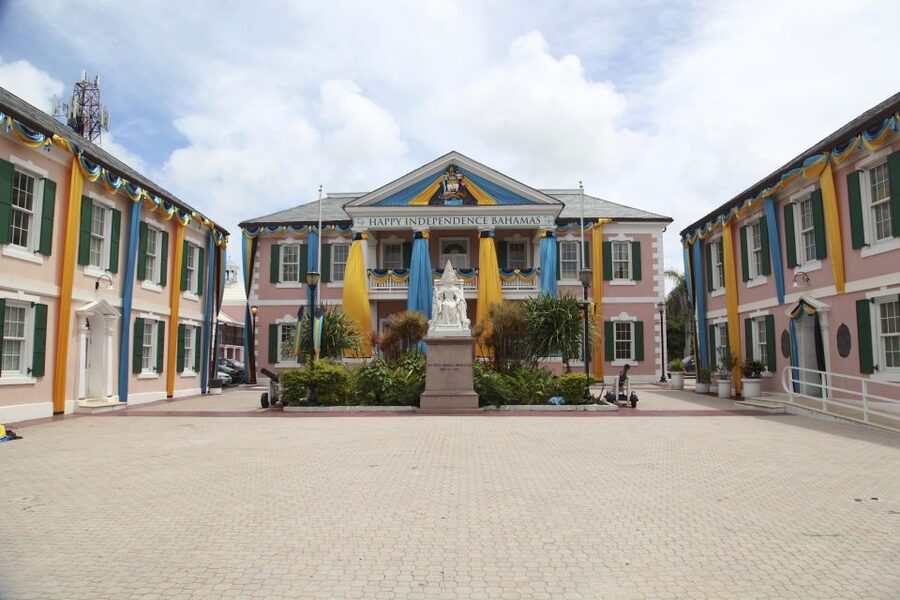
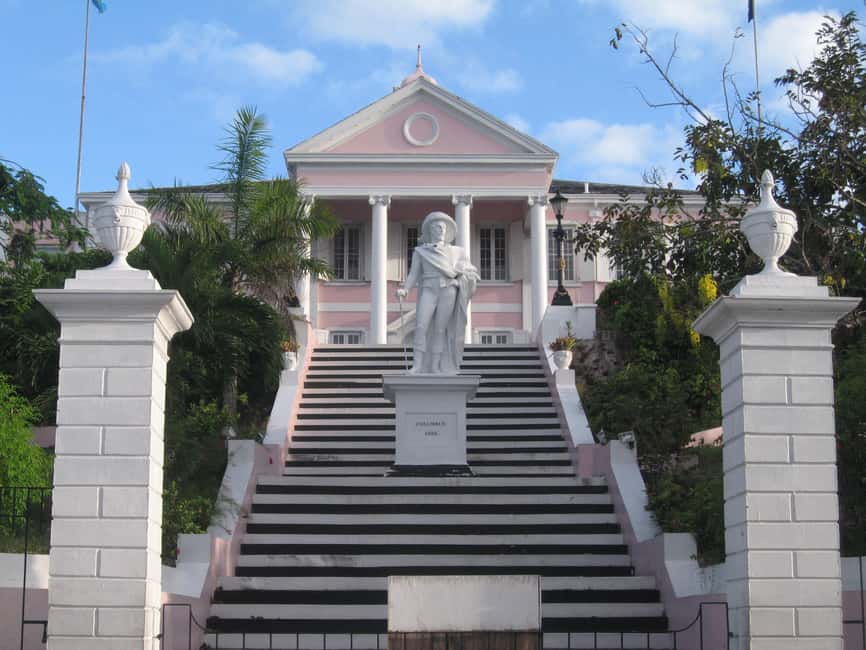
After the fort, you’ll get a short photo stop at the exterior of Government House. This is a Georgian Colonial-style residence tied to the Bahamas’ governor-general. You’ll have around 10 minutes while your guide shares what they can about the site’s past.
If you’re expecting a full building tour, you might feel slightly limited here. But the value is in the exterior details and the historical position of the building. These structures often look simple from far away, then reward you once you’re close enough to notice proportions, lines, and the way the building sits within the city’s layout.
This is also a good point in the walk to check your comfort level. You’ll have moved from hillside views back toward the downtown street scene, so use the short stop to drink water, wipe off sweat, and get your camera ready for the next cultural swing.
Graycliff Chocolatier and tastings that make Nassau taste real
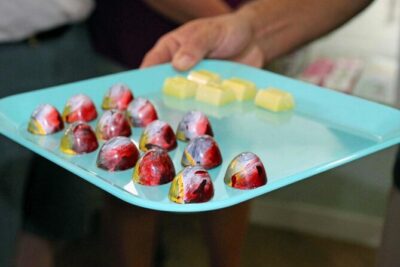
Now the tour shifts from architecture and forts to something you can actually enjoy. You’ll stop at Graycliff Chocolatier for a sampling of locally made treats.
Even if you’re not a sweets person, I’d still treat this stop as part of the cultural lens. Food here is local identity in edible form, and it’s a way to break up walking with a sensory moment. Plus, it’s a smart way to keep the group energy up around the mid-point of the tour.
A small practical tip: if you’re the type who gets full fast, take small bites first. You’ll have other sampling-style stops later, including rum and teas.
National Art Gallery and Educulture Museum: culture with context
The next phase leans into museums. You’ll visit the National Art Gallery of The Bahamas, then head to the Educulture Museum.
The key practical thing to know: the National Art Gallery is closed on Mondays and national holidays. On those days, it’s replaced with another cultural point of interest. If your trip lines up with a Monday, don’t worry. The tour still keeps the culture theme going, it just changes the specific museum door you walk through.
At these museums, the goal isn’t just quiet viewing. You’re learning why Nassau’s culture looks the way it does. One specific highlight is the Educulture Museum’s connection to Junkanoo, including how this street festival tradition fits into Bahamian identity. That’s the kind of detail that helps you recognize culture when you see it later, not just during the visit itself.
John Watling’s Distillery: rum samples and a production tour
After art and music-style heritage, you’ll head to John Watling’s Distillery. You’ll have time to tour the facility and you may sample rum.
This is one of the most fun parts of the day because it turns a famous Caribbean product into something you can picture being made. Even if you don’t plan to buy anything, the production side usually adds meaning to what you’ve tasted before.
One more practical note: keep an eye on your pace here. Rum tastings can make time disappear, so check where you are in the walk mentally. You still have teas and the straw market after this.
Tasty Teas: bush teas and traditional medicine stories
Next up is Tasty Teas, where you’ll learn about Bahamian bush teas and traditional medicines. You’ll get a chance to hear how people use local plants for wellbeing and everyday care.
I like this stop because it’s not just about flavor. It connects nature, health habits, and history in a way that feels local instead of touristy. Even if you’re skeptical about herbal remedies, the cultural explanation is the point: how communities understand and pass down these practices.
This also helps the day feel balanced. You’ve had stone, forts, paintings, festival history, and spirits. Adding bush teas rounds out the picture of what “Bahamas culture” includes.
Nassau Straw Market and the colonial-to-today finish
You’ll reach the Nassau Straw Market for a brief history moment and a shopping break. This is the place to pick up small souvenirs without trekking across town. You can browse on your feet, compare prices, and find handmade items that are easier to pack.
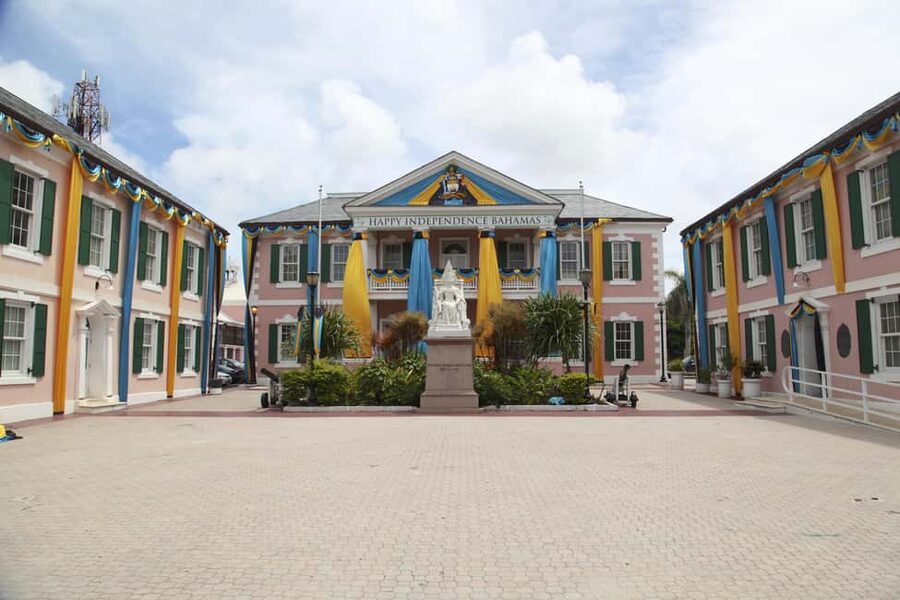
Then you finish at Rawson and Parliament Square, where you’ll learn about the history of the buildings and statues from the colonial era up to the present day. This final stretch works well because it ties the day into a wider timeline. You started with a landmark tied to a painful history. You moved through defense and governance. You ended at civic symbols and public space history.
If you like your tours with a strong ending photo, this is typically where you get it. The square setting is built for looking up, looking around, and taking in the mix of old stone and newer city life.
Is $55 worth it for a 3-hour downtown Nassau tour?
At $55 per person for about 3 hours, the value mostly comes from how much you pack in without getting rushed. You’re not just viewing one museum or one monument. You’re moving between major downtown landmarks, at least two culture-focused museum stops, and several meaningful tasting-style breaks.
On top of that, you get audio headsets, bottled water, and museum entrance fees. That combination matters in the real world. Headsets keep the guide’s storytelling clear, and museum entrances remove the hassle of figuring out what’s included.
Food and drinks are listed as not included, but the tour does build in stops where you sample items like chocolates and rum, and you learn about teas. So what you’re paying for is more like a guided cultural circuit with some tastings along the way, not a sit-down meal.
Who should book this Nassau walking tour?
This one fits you best if you want a strong downtown Nassau introduction without needing a bus. You’ll like it if you enjoy history that has teeth, culture that includes music traditions like Junkanoo, and hands-on breaks for chocolate, rum, and teas.
You should also like walking at a steady pace. The day includes hills and a stop at major step-heavy sights, so comfortable shoes are not optional.
If you have mobility impairments, the tour isn’t suitable, based on the tour’s own guidance.
Should you book this Nassau cultural walking tour?
Book it if you want an efficient, story-driven way to see downtown Nassau in three hours, with Fort Fincastle views, Queen’s Staircase, museum culture, and multiple tastings. It’s also a strong choice for first-time Nassau visits because the route covers the city’s identity points, not just the easy stops.
Skip it or plan carefully if walking distance and steps make you uncomfortable. And if you’re visiting on a Monday or national holiday, double-check that the National Art Gallery will be swapped for another cultural stop, so your expectations match the day’s version of the itinerary.
FAQ
How long is the Nassau cultural walking tour?
The tour runs for 3 hours.
What is included in the $55 price?
The tour includes audio headsets, bottled water, and museum entrance fees. Food and drinks are not listed as included.
Where does the tour meet?
It departs from the activity provider’s office at the intersection of Bay St. and East St. For cruise passengers, it’s about a 3-minute walk from the port following the route described to Bay St. and East St.
Is the tour guide and audio in English?
Yes. The tour has a live guide in English, and the audio guide is also in English.
What happens if the National Art Gallery is closed?
The National Art Gallery of The Bahamas is closed on Mondays and national holidays. On those days, it’s replaced with another cultural point of interest.
Is the tour suitable for people with mobility impairments?
No. The tour is not suitable for people with mobility impairments.
The Same Streets on Foot
- Bites of Nassau Food and Walking Tour
★ 5.0 · 3,168 reviews - Rum Tasting and Food Walking Tour in Nassau Bahamas
★ 5.0 · 1,030 reviews - Dilly Dally Walking Tour of Nassau Attractions
★ 5.0 · 341 reviews - KINDWalk — Nassau Historical and Cultural Walking Tour
★ 5.0 · 238 reviews - Nassau: Bites and Sites Food and Cultural Walking Tour
★ 4.9 · 222 reviews
More Bahamian Tours on File
- Bites of Nassau Food and Walking Tour
★ 5.0 · 3,168 reviews - Nassau: 3 Islands Tour, Snorkel, Pig Beach, Turtles & Lunch
★ 4.3 · 2,585 reviews - Nassau Island Highlights Sightseeing Tour
★ 4.5 · 1,476 reviews - Sandy Toes The Original Rose Island and Swimming Pigs Tour
★ 4.5 · 1,232 reviews - Rum Tasting and Food Walking Tour in Nassau Bahamas
★ 5.0 · 1,030 reviews
Everything Else We Have Rated
- Bites of Nassau Food and Walking Tour
★ 5.0 · 3,168 reviews - Nassau: 3 Islands Tour, Snorkel, Pig Beach, Turtles & Lunch
★ 4.3 · 2,585 reviews - Nassau Island Highlights Sightseeing Tour
★ 4.5 · 1,476 reviews - Sandy Toes The Original Rose Island and Swimming Pigs Tour
★ 4.5 · 1,232 reviews - Nassau: Pigs, Snorkel, Turtles, Lunch, Private Beach Club
★ 4.5 · 1,116 reviews
Newest write-ups from the islands





Walking Tours, compared.
 ★ 5.0Bites of Nassau Food and Walking TourFrom $993,168 reviews
 ★ 5.0Rum Tasting and Food Walking Tour in Nassau BahamasFrom $981,030 reviews
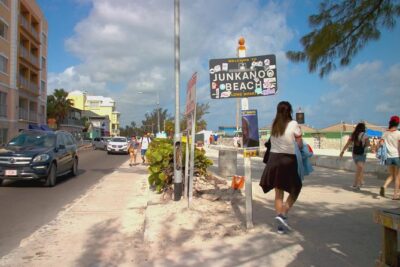 ★ 5.0Dilly Dally Walking Tour of Nassau AttractionsFrom $55341 reviews
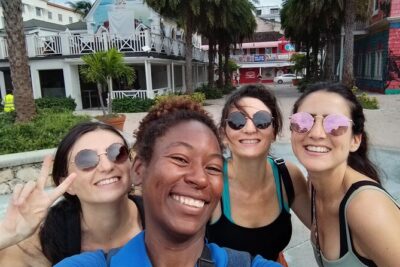 ★ 5.0KINDWalk — Nassau Historical and Cultural Walking TourFrom $10238 reviews
 ★ 4.9Bites and Sites Food and Cultural Walking TourFrom $91222 reviews
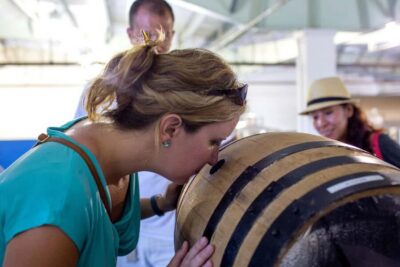 ★ 4.9Rum Tastings and Culinary Walking TourFrom $98200 reviews
 ★ 5.0Nassau Historical Walking TourFrom $6066 reviews
 ★ 4.7Historical & Cultural Walking Tour by KINDWalk12 reviews
Browse the lists this tour appears in